Human
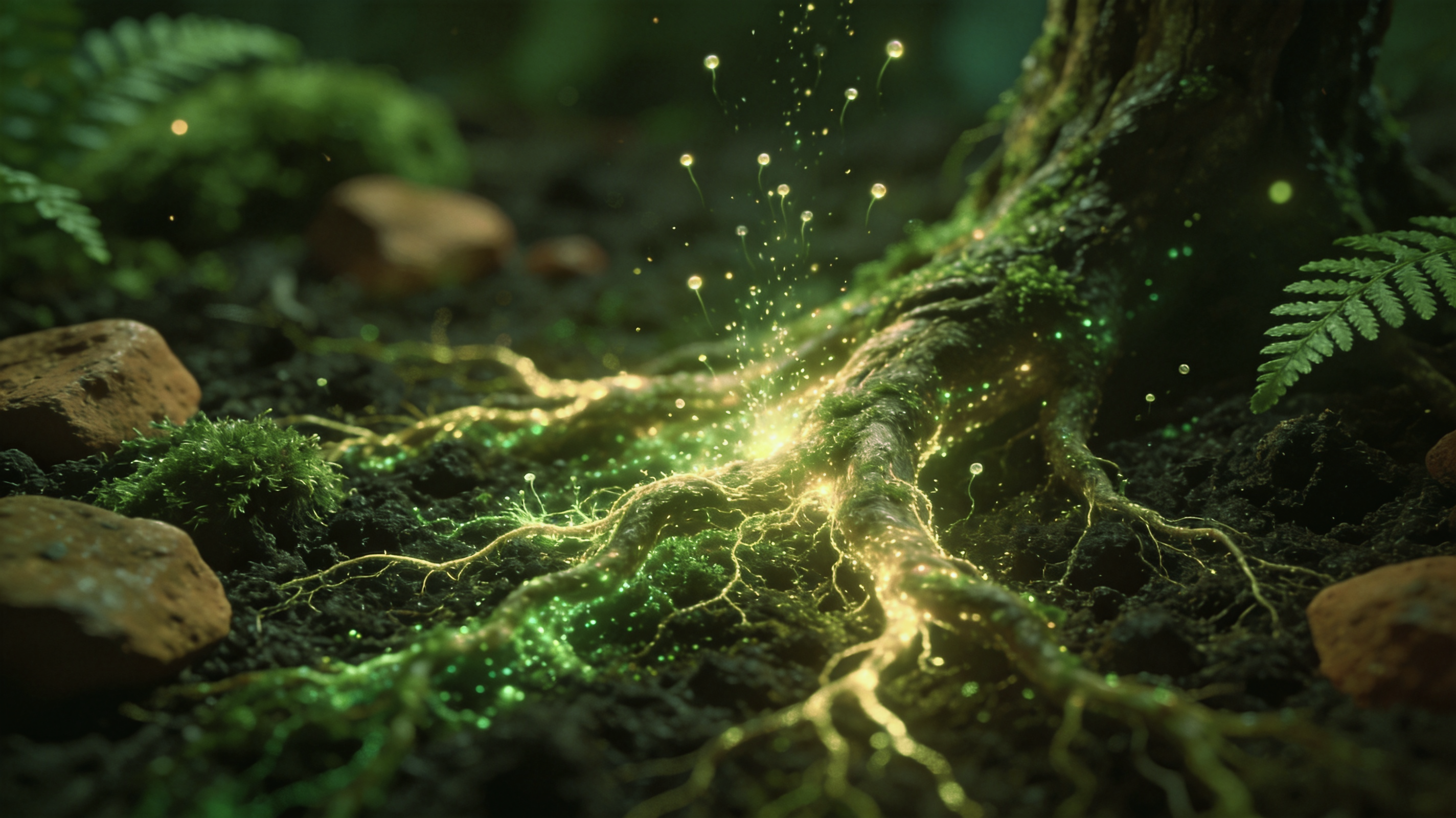
Every person is a living seed: body, mind and spirit, growing best when nourished, supported and given room to flourish.
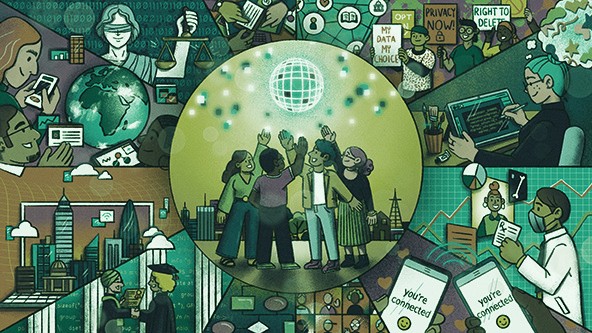
No humans in the loop. Systems built by machines and AI alone — cogs, anxiety and breakdown.
Humans in the loop. Living systems shaped by conversation, trust and shared purpose.
The old world measured wealth in money alone. The new world stands on seven systems of society — those who understand all seven lead the shift.
94% of problems in business are systems driven and only 6% are people driven.
— W. Edwards Deming · Systems Thinker
The future of work is not about managing people harder — it's about redesigning the living systems they inhabit.
Organizations built on hierarchical machine logic are being replaced by living networks that adapt, self-organize, and regenerate — modeling nature's own intelligence.
The shift isn't coming. It's already here. The question is whether your capital portfolio is built for the new paradigm.
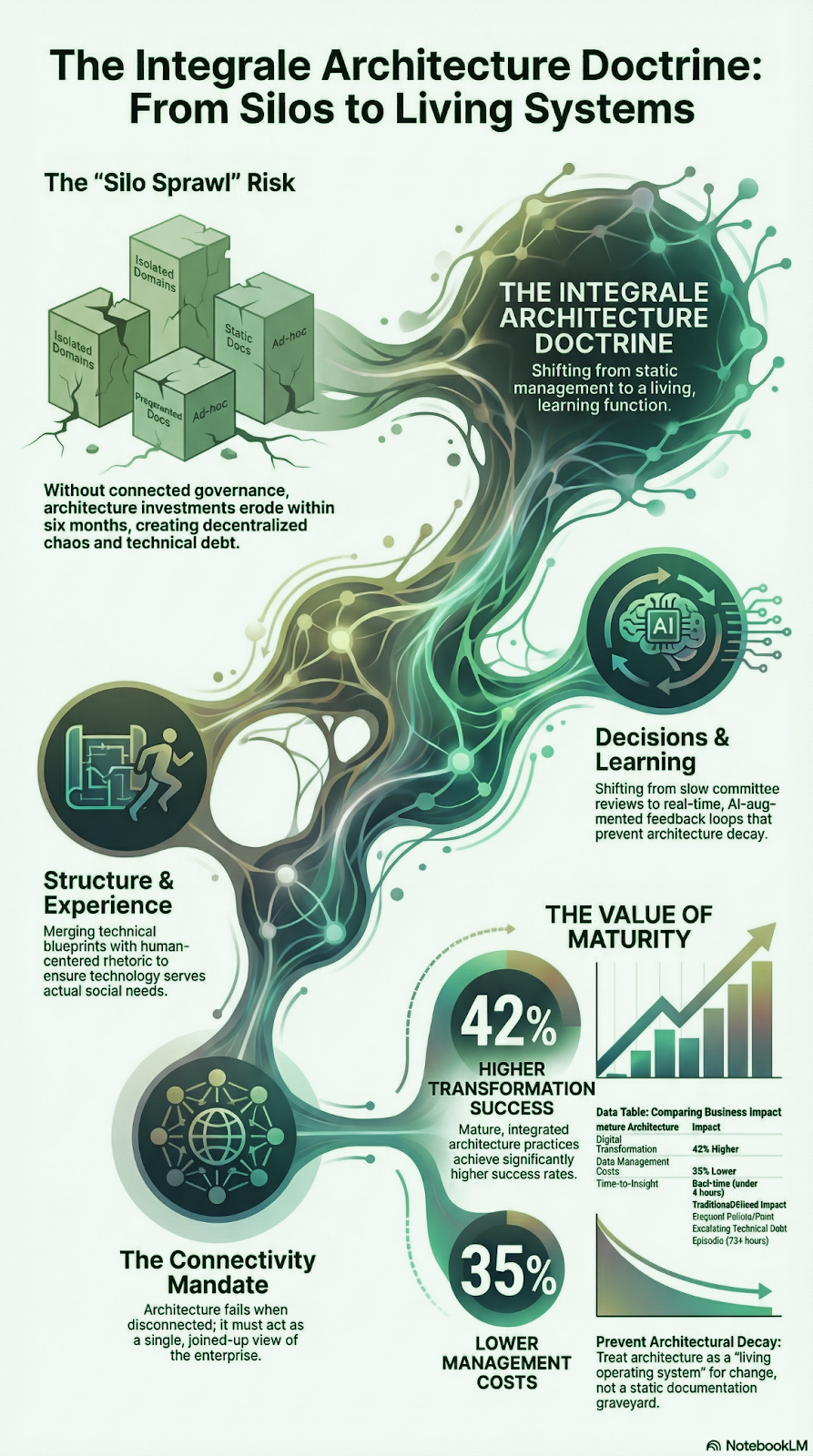
The seven systems grow like a living world — found in our human nature, growing through enterprise, and sustained by the planet - all connected through relationship.
Every person is a living seed: body, mind and spirit, growing best when nourished, supported and given room to flourish.
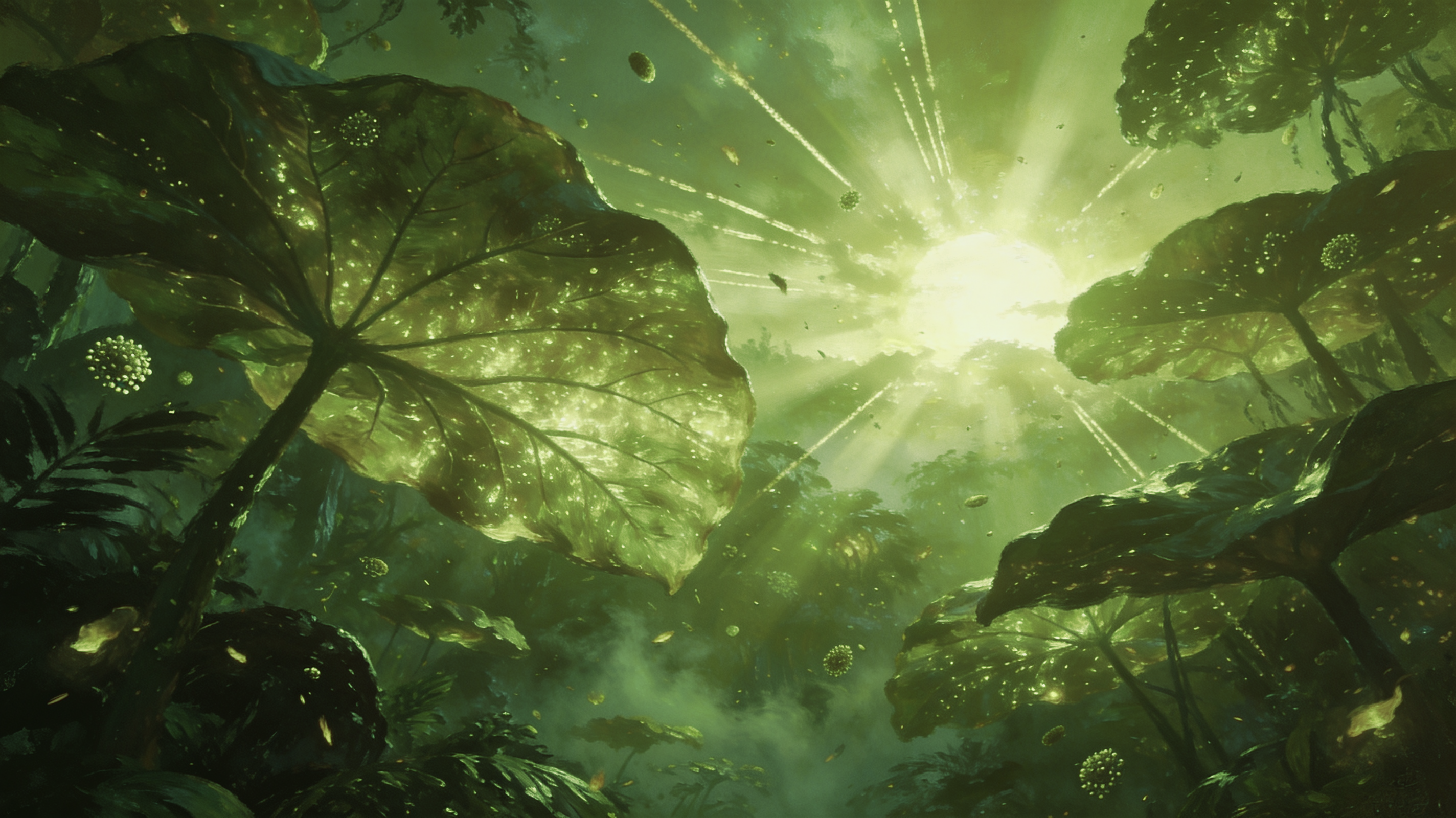
People working together with shared purpose, tending something larger than themselves, like a team planting a forest.
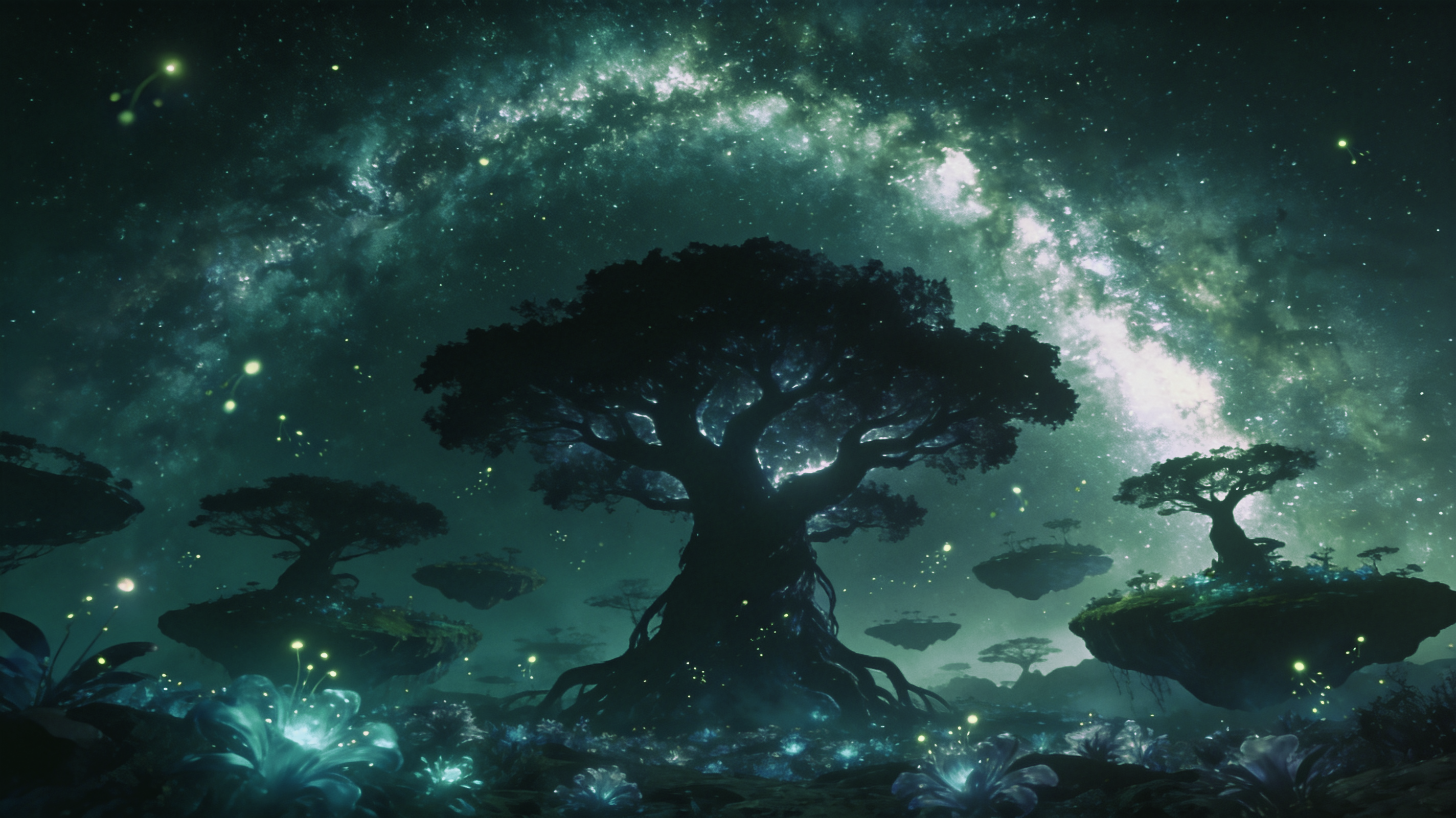
The living web that holds us all. Healthy people and enterprises regenerate the ecosystems they depend on.
Seven systems hold up a living society: people, government, faith, health, energy, money and identity. Strong systems make a Living Economy; weak or captured ones lead toward the Living Dead Economy.
The foundation of everything else: your values, skills, family, faith, creativity and the people who know you. Every other system exists to serve free, capable human beings.
A society is only as living as its people. Invest in them first.
A healthy government is a servant, not a master. It protects life, liberty and property and answers to the people who pay for it, instead of growing at their expense.
Local, accountable government keeps power close to the people it serves.
Faith is judged by how it treats the weak. Compassion for the poor, the needy and the outcast comes first, under one Creator and one human family.
Shared purpose across faiths lowers hate and builds trust.
Medicine should heal people, not keep them dependent. Food, sleep, sunlight, movement, clean water and the plants and microbes nature gave us come first.
Healthy people are the most valuable asset any economy has.
Energy is the lifeblood of a living economy: abundant, clean and affordable, with engineers and entrepreneurs free to compete to power the future.
Cheap, clean energy lifts everyone and frees people to build.
A giver spirit of generosity: wealth that comes from abundance, not lack, with real examples of generous economies in society.
Money should serve people, not planners.
You are who you are, not what the state says. Your identity comes from you, not a number, a scan or a database. We reject mandatory digital IDs.
Free people need the freedom to be known on their own terms.
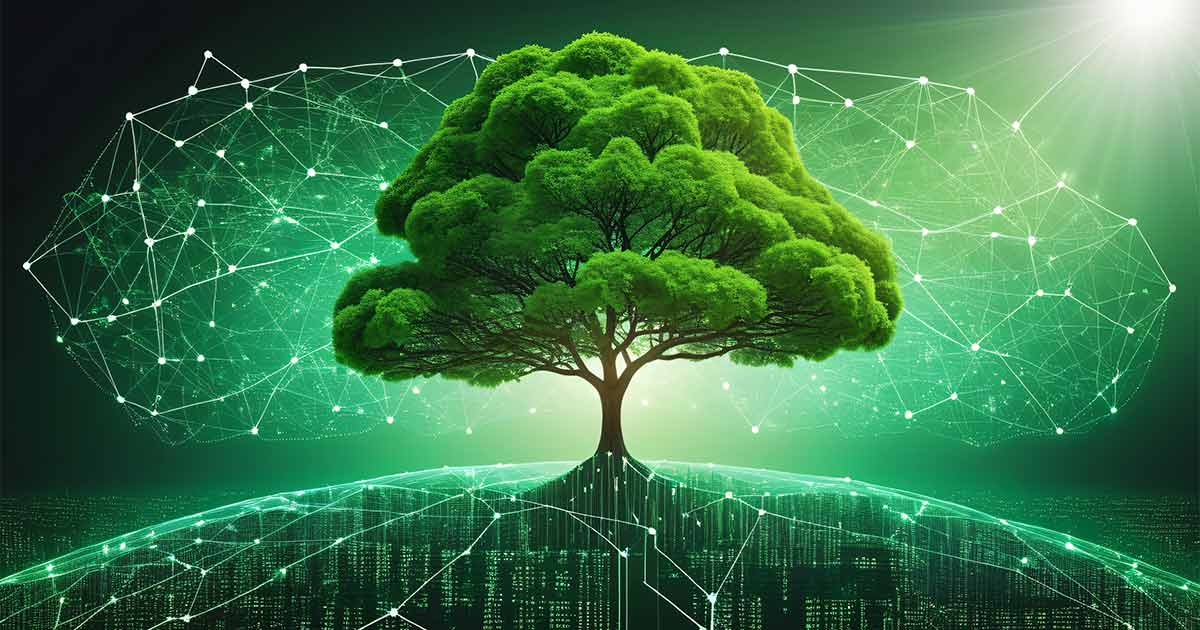
Each system of society — Human Capital, Governments, Religion, Health, Energy, Money and Identity — feeds and amplifies the others. Strengthen one, and the whole society thrives. Neglect one, and the rest compensate — until they can't. This is the regenerative logic of a living society.
Where on Earth is wealth actually being grown — in people, culture, community, health and nature, not just in money? Below, the G8, the G20, all 27 EU countries, all 54 African countries and the rest of the world are ranked across the 7 forms of capital, and the gold zones mark places where living economies are already at work. The map has two extremes — the Living Economy at the top and the Living Dead Economy at the bottom — and every place is moving toward one or the other.
Every economy sits somewhere on a line. At the top, wealth is grown in people, community, culture, health and nature, and power stays close to the people it serves. At the bottom, an economy is run by machine logic: everything is measured, tracked, programmed and centrally controlled, and people become data. Most places are in between — and moving one way or the other.
Why they are here: they measure what actually makes life good — happiness, trust, forests, health — alongside money. Money is local and mutual (cooperatives, community currencies), so value stays and circulates where it was made. Decisions are close to people, and nature and spirit count as real capital.
Why they are here: very high social trust, strong cooperatives and public health, constitutional rights for nature, or deep traditions of mutual aid (gotong royong, harambee, Umuganda). They are not there yet — but their institutions point toward living systems.
Why they are here: rich culture, faith and family life on one hand; growing digital ID, digital payments and centralised data systems on the other. Which way they go depends on the choices made in the next few years.
Why they are here: strong push toward digital identity, central-bank digital currency, large-scale data collection and algorithmic administration, with high work pressure and falling trust. The tools are being built faster than the safeguards.
Why they are here: the World Economic Forum’s vision — the “Great Reset”, the “Fourth Industrial Revolution” and the 2030 agenda — read against six systems, as set out by thelivingdeadeconomy.com. The people at the bottom of this line are not countries but the institutions and technologies said to be building a centrally controlled, machine-managed world: alive on the outside, with the human choice and consent drained out.
Placement is an editorial reading, not a measurement. The Living Dead tier reflects the viewpoint of thelivingdeadeconomy.com; the country tiers apply the same six systems alongside our capital scores below. Use the “Spectrum” view on the map to see it on the globe.
Our Model is new and still building context. It will take some maturity before we see more accurate results. For example, the world is 3 years plus away from being under the WEF 2030 agenda.
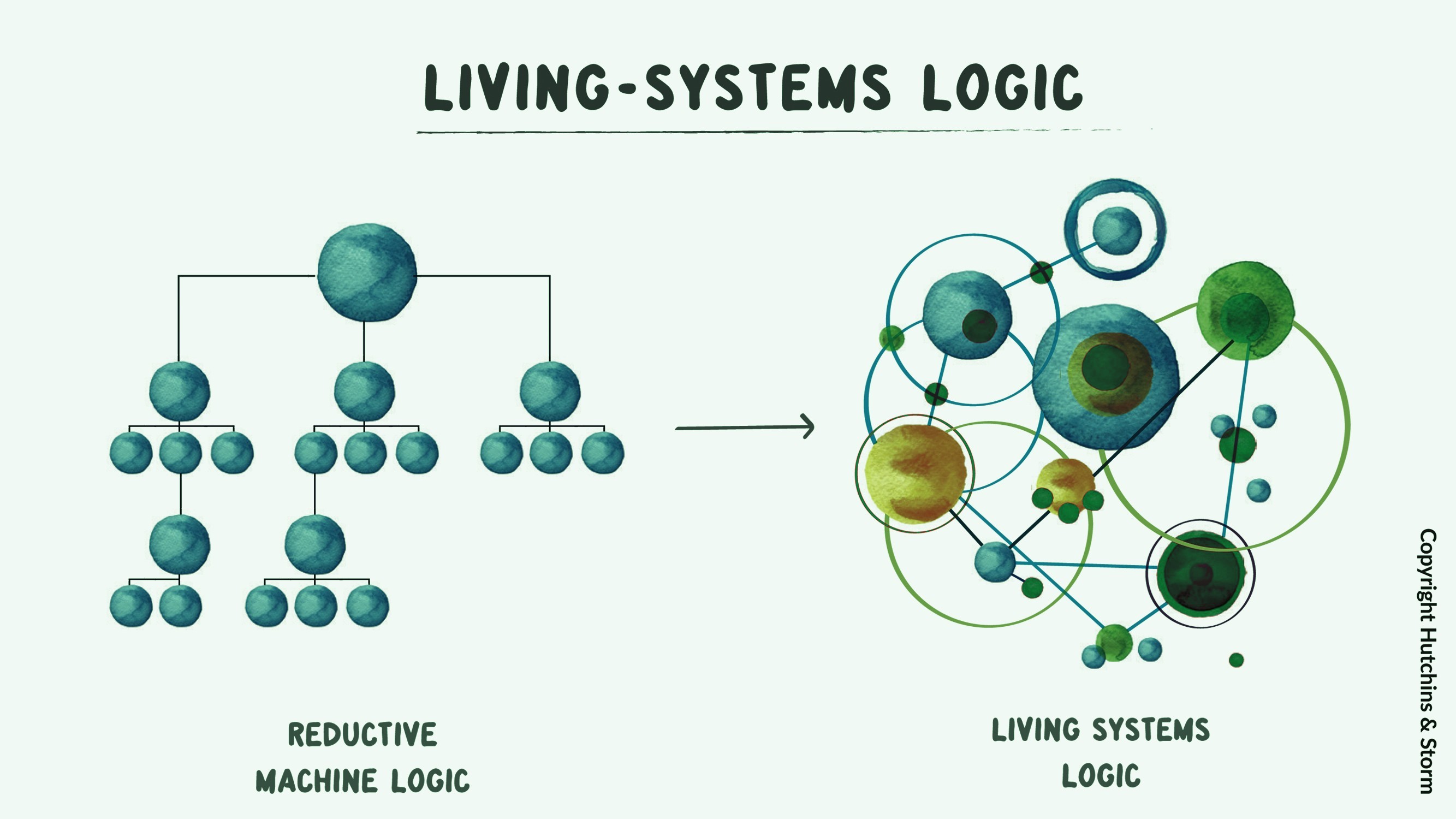
Living systems — forests, ecosystems, neural networks, human bodies — self-organize into resilient, adaptive networks without a central director. The future of work applies this same intelligence to organizations.
Nicolas and the team at Blaick.ai are building a secure generative AI platform for developers — so people and organisations can use the power of AI without handing over their data, their privacy or their trust.
In a living system, the health of the whole depends on the safety of every part. Blaick.ai brings that principle to technology: AI that protects the people it serves, keeps sensitive information safe, and keeps humans in the loop.
Secure generative AI for developers — safe, trustworthy technology in service of people.
Across the world, builders are replacing extractive, top‑down finance with economies that circulate, self‑organize and regenerate — where value flows through relationships, like nutrients through a forest. These projects point the way.
Legal authority, agreements and rights accounting settle together in a single ~100‑millisecond event — infrastructure for machine‑speed economies.
Visit ↗ holochain.orgAgent‑centric, peer‑to‑peer framework where every participant runs their own data — no central chain or platform owner. Apps grow like organisms.
Visit ↗ perry.kundert.caInsurance‑backed tokens let people unlock liquidity from their own homes and farms, keeping wealth circulating locally instead of flowing to banks.
Visit ↗ grassrootseconomics.orgCommunity inclusion currencies in Kenya that let neighbours trade with each other's surplus capacity when national money is scarce.
Visit ↗ aboutcircles.comA universal basic income currency where every person mints their own money and trust between people keeps the network sound.
Visit ↗ regen.networkLedger and marketplace that rewards farmers and stewards for regenerating ecosystems — turning ecological health into economic value.
Visit ↗ sardex.netItaly's mutual‑credit network where thousands of businesses trade with each other, keeping value rooted in the local economy.
Visit ↗ wir.chSwitzerland's century‑old complementary currency for small business — proof that mutual credit stabilises economies through downturns.
Visit ↗Unofficial results (22 of 22 polls reporting), as reported by the City of Kelowna and local news. Official results will follow.
Dyas won by 969 votes and takes a second term.
Re-elected: Gord Lovegrove (topped the polls), Rick Webber, Mohini Singh. New to council: Davis Kyle, Kevin Kraft, Brady Rogers, Laura Thurnheer, Les Bellamy.
Sources: CBC, Kelowna Capital News, City of Kelowna. Council vote totals not shown here; see the City's page.
You are either in the living economy or the dead economy. Which one will you choose to live in?