Enterprise Capital
Enterprise capital is wealth that moves. Here we ground it in a giver spirit: the spirit of generosity, where wealth comes from abundance, not lack. The giver trusts there is enough, so they share, build and invest, and in doing so they grow the whole field for everyone.
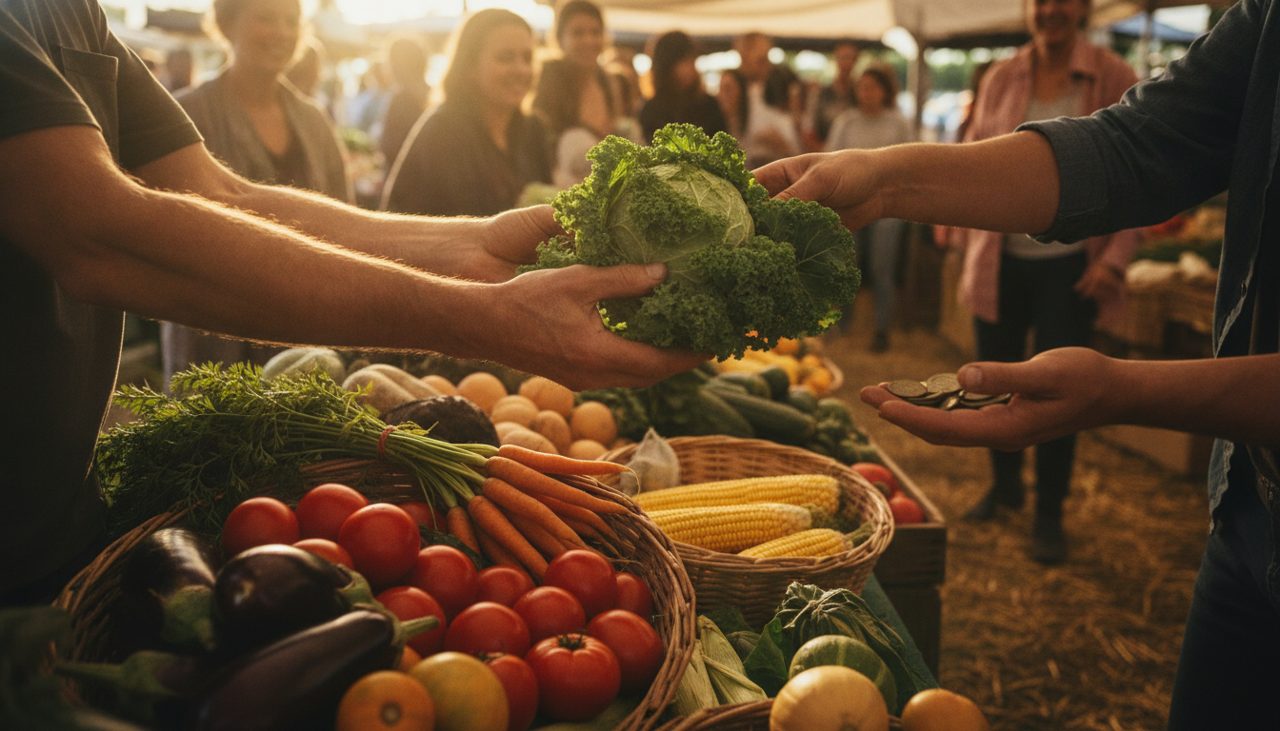
The giver spirit: wealth grows when it is given
A spirit of lack says, “There is not enough, so I must grab, hoard and protect.” A spirit of abundance says, “There is enough, and what I give comes back in other forms.” The first shrinks the circle. The second widens it. Enterprise capital in a living economy is measured not only by what a person holds, but by what they are able to give, and what they freely receive.
Abundance, not lack
Fear of scarcity drives hoarding and zero-sum contests. Trust in abundance frees people to share knowledge, time and money.
Give first
The giver offers value before asking for return. Trust, reputation and opportunity are the harvest, and they usually arrive from unexpected places.
Wealth as a river
Money kept still stagnates. Wealth that flows into people, businesses and communities keeps the whole system alive.
Stewards, not owners
Givers see what they hold as something placed in their care, to be used well and passed on.
Enough for all
Generosity asks “what is enough?” and shares the surplus, instead of chasing more for its own sake.
Giving builds capital
Every gift grows other capitals too: trust (social), meaning (spiritual), belonging (emotional), and a good name (symbolic).
Where the giver spirit already lives in society
This is not a theory. People and communities have built wealth on generosity for centuries.
Tithing and zakat
Christian tithing (a tenth) and Islamic zakat (2.5% of savings, one of the five systems of Islam) make giving a regular part of earning, so wealth always flows outward to those in need.
The Sikh langar
Every Sikh gurdwara serves a free meal to anyone, of any background. At the Golden Temple in Amritsar, volunteers feed tens of thousands of people every day, funded by donations and labour.
The potlatch
Among Pacific Northwest First Nations, a chief earned honour by giving wealth away at a feast. Standing came from generosity, not hoarding. (Canada banned the potlatch from 1885 to 1951, which shows how threatening this idea can be to a scarcity system.)
The Giving Pledge
Launched in 2010 by Bill Gates and Warren Buffett, it asks the very wealthy to commit to giving most of their fortune to philanthropy. Hundreds of families from many countries have signed.
Open source and Wikipedia
Millions of people share code and knowledge for free. Linux, Wikipedia and countless tools run the modern world because people gave first.
Mondragon cooperatives
Founded in 1956 in the Basque region of Spain, Mondragon is a federation of worker-owned cooperatives. Profits are shared and reinvested in the community, and jobs are protected before profits.
Kiva microloans
Since 2005, ordinary people have lent small amounts, often with no interest, to entrepreneurs around the world, and most loans are repaid and lent out again.
Barn raisings and mutual aid
Amish and Mennonite communities rebuild a neighbour’s barn in a day. After floods and fires, neighbours show up with food, tools and labour before any help arrives.
Community currencies
Grassroots Economics in Kenya (Sarafu) and Sardex in Italy let people trade surplus time and goods when cash is scarce. See Living Economies.
Details are summarised from public sources, so please check them for yourself. Generosity can be abused too, so a giver spirit works best with wisdom, honest accounting and giving that builds up people instead of making them dependent.
The opposite: the spirit of lack
The machine-run, Living Dead model treats wealth as scarce and something to be controlled, measured and rationed from above. It runs on fear of not having enough, so it hoards, taxes and gatekeeps. Our Living ↔ Living Dead spectrum places systems by this test: do they release people to give and build, or do they keep them dependent and afraid?
Hoarding
Wealth is held tight at the top, and the circle of those who benefit shrinks.
Zero-sum thinking
“If you win, I lose.” It makes competition, secrecy and mistrust the default.
Control over trust
Decisions move from families and communities to distant managers who decide who gets what.
Ways to grow it
- Give first: share a skill, an introduction or money with no strings attached.
- Set a regular giving rhythm, such as a tenth of your income, time or harvest.
- Back local: lend, buy and hire inside your community so wealth keeps circulating.
- Share what you know openly, and teach others to build their own capital.
- Join mutual-aid and cooperative groups, and use community exchange where you can (see Living Economies).