Home / Canada / British Columbia
Region 2 of 3 · Province

British Columbia

British Columbia stretches from the Pacific coast to the Rockies, with 93 electoral districts across six very different regions. BC votes on Saturday, October 24, 2026. Advance voting is October 16–21. Explore the map, then see how to vote, compare the parties and meet the candidates in the Okanagan.

Northern BCCaribooKootenaysThompson-OkanaganLower MainlandVancouver IslandNorthern BCCaribooKootenaysOkanaganLower MainlandVancouver Island
Map of BC — tap a region to see its main cities and open its spotlight below. The red pin is Kelowna.

The main issues in this election

Four questions sit under every campaign sign: can people afford to live here, who will own and decide the land, whose values shape the province, and what kind of people we are becoming. Each is explained below, with the evidence and the sources to check.

  1. Affordability — why life in BC costs more, and what the record shows.
  2. UNDRIP and the land — what is changing, with a map of where.
  3. Canadian values — foreign influence, and how to win them back.
  4. Our humanity — dignity, family, community and care for every life.
Issue 1

Affordability: it costs more to live in BC

The BC NDP has governed since 2017. Critics, including the BC Conservatives and OneBC, say that in those years housing, taxes, debt and everyday bills have climbed faster than paycheques, and that the province now spends more while families keep less. The NDP replies that it has cut some costs and that world-wide inflation and interest rates are to blame. Here is the evidence, so you can judge.

Debt has roughly doubled

BC's taxpayer-supported debt was about $43 billion in 2016/17, before the NDP took office. Provincial budget documents now forecast well over $100 billion. Interest on that debt is a cost every taxpayer carries.

Source: BC Budget and Fiscal Plan (bcbudget.gov.bc.ca)
Record deficits

Budget 2025 forecast a deficit of about $11–12 billion for 2025/26, far larger than first planned. S&P Global lowered BC's credit rating in 2025, which makes borrowing dearer.

Source: BC Budget 2025; S&P Global Ratings
Rent

Our Kelowna check: a two-bedroom averages about $2,118 a month (vacancy 6.9%). In Metro Vancouver, asking rents for new listings are well above that.

Source: CMHC; see US Real Numbers
Local taxes and fees

Kelowna's 2026 property tax rose 4.4%. Add BC Hydro rate increases approved for several years running, ICBC insurance costs and some of the highest petrol prices in Canada.

Source: City of Kelowna; BC Utilities Commission; Statistics Canada
Jobs

Kelowna's jobless rate was 9.2–9.3% in mid-2026, above Canada's 6.5%. Many young people say they cannot save for a home on local wages.

Source: Statistics Canada
What the other side says

BC's inflation (1.7% in February) was below Canada's 2.8% in our figures. The NDP points to scrapping the consumer carbon tax in April 2025, the BC Affordability Credit, the speculation and vacancy tax and its home-flipping tax. Weigh these against the figures on the left.

Source: Statistics Canada; Government of BC

What to ask every candidate: What will you cut to stop adding to the debt? How many homes will be built, and how fast? Will you lower the taxes and fees families pay on food, fuel, power and housing? Figures are rounded and change often; check the linked sources before you rely on them. Editorial, not an endorsement.

Issue 2

UNDRIP and the land: could Canadians lose their land?

In 2019 BC became the first province to write the United Nations Declaration on the Rights of Indigenous Peoples (UNDRIP) into law, through the Declaration on the Rights of Indigenous Peoples Act (DRIPA). Supporters call this reconciliation. Critics warn it opens the door to land being handed over, and to homeowners, farmers and businesses facing doubt about who owns what. Here is what has actually happened, and what is still only a fear.

1 2 3 4 5 6
Recognised by court or agreement   Claimed, undecided   Shaded: most of BC, which was never covered by a treaty and is under claim. Outline of BC with approximate locations; not legal boundaries. Red pin = Kelowna.
  1. 1 Haida Gwaii. In 2024 BC agreed to recognise Haida Aboriginal title over the islands, and a related law was passed in 2025. Private property was said to stay protected.
  2. 2 Nisga'a (Nass Valley). A modern treaty from 2000 gave the Nisga'a about 2,000 km² and self-government. This is the model that critics prefer: negotiated, with clear lines.
  3. 3 Tsilhqot'in (Cariboo). The Supreme Court of Canada in 2014 declared Aboriginal title to about 1,750 km², the first such ruling in Canada. It applied to Crown land, not private land.
  4. 4 Cowichan / Richmond. In August 2025 the BC Supreme Court found that the Cowichan Tribes hold Aboriginal title to about 700 acres of Richmond waterfront, and said the later private and city titles over part of it were defective. This is the case that alarmed many homeowners. BC and Canada appealed, and the Crown said private titles would be protected.
  5. 5 Okanagan (Syilx). The Syilx Okanagan Nation has title and rights claims across the valley, including Kelowna. No court has ruled on private land here, and the province says private land is not on the table.
  6. 6 Kootenays. Ktunaxa claims overlap with towns, mines and ranches; negotiations are ongoing.

What is real, and what is not yet

Real

Roughly 94% of BC is Crown land, and most of it was never ceded by treaty. Courts have recognised title in several places, and in December 2025 the BC Court of Appeal ruled (Gitxaala v. BC) that DRIPA makes UNDRIP count in BC courts, so more claims may follow.

The worry

The Cowichan ruling put a cloud on privately held titles for the first time. Lawyers, lenders and insurers warn that doubt over title can lower values and make mortgages harder to get. Critics also say the changes are made by court and cabinet, not by a vote of the people.

What government says

BC says no one's home will be taken, that DRIPA is a framework and not a land transfer, and that appeals are under way. First Nations leaders say they seek recognition of rights that were never surrendered, and want to negotiate, not evict.

What to ask every candidate: Will you protect private titles in law? Will you amend DRIPA so changes need a vote of the legislature? Will you press for clear, negotiated modern treaties instead of court surprises? Facts as of October 2026; court cases and appeals are still moving, so check the news and bclaws.gov.bc.ca. The map is a simple picture, not a legal map.

Issue 3

Canadian values: protecting them from outside pressure

Freedom of speech, the rule of law, equal rights and an honest democracy are Canadian values. Security agencies and public inquiries say that foreign governments, China's above all, have worked to push those values off course. This is about governments, not people: Chinese-Canadians are among the most frequent targets of the pressure.

Foreign interference

The Hogue Commission's final report (January 2025) named China as the most active foreign state interfering in Canadian democracy, including in nomination contests and in some ridings. It found the overall national result was not changed.

Source: Public Inquiry into Foreign Interference (foreigninterferencecommission.ca)
Pressure on communities

Reports in 2022–23 of unofficial "police stations" run for China in Canadian cities led to an RCMP investigation. CSIS has warned of surveillance and threats against people who criticise Beijing.

Source: RCMP; CSIS annual reports
Dirty money and housing

BC's Cullen Commission (2022) found money laundering, including underground banking linked to organised crime, had distorted the housing market, casinos and luxury goods.

Source: Cullen Commission final report
Universities and influence

Concerns include research partnerships that move technology abroad and funding tied to foreign states. Confucius Institutes at Canadian schools have mostly closed.

Source: CSIS; Government of Canada research-security guidelines

What needs to be done to win them back

  1. Be open about who funds and owns what. Enforce the federal foreign influence registry and BC's Land Owner Transparency Act, and make donations and nomination contests clearly traceable.
  2. Only citizens and residents fund politics. Ban foreign money and tighten rules on party nominations, where most interference was found.
  3. Protect people, not just systems. Give targeted communities safe ways to report threats, and act on what they report.
  4. Secure research and key assets. Screen foreign deals in universities, ports, mines and land near critical sites.
  5. Teach and use our values. Fund civics in schools, local news and community groups, and welcome newcomers into a shared understanding of free speech, equality and the rule of law.
  6. Vote, and ask. Ask every candidate which of these steps they will back, and show up on October 24.

Concerns here are about foreign governments and organised crime, not about any ethnic group. Findings come from public inquiries and agencies, which also record that the overall election results were not changed. Editorial, not an endorsement.

Issue 4

Our humanity: protecting what makes us human

Behind prices, land and politics is a simpler question: does our province still treat every person as someone of worth? Our humanity is the dignity of each life, from the unborn to the elderly; strong families and neighbours; honest work that gives meaning; freedom of conscience; and care for the vulnerable, including people struggling with addiction, mental illness and loneliness. It is also how we use new technology: tools should serve people, not replace or rule them.

What to ask every candidate

  1. Dignity of every person. How will you protect the vulnerable, from children and the sick to the elderly and the disabled?
  2. Family and community. What will you do to help families stay together and neighbours look after each other?
  3. Recovery and care. Will you back treatment and recovery, and mental-health support people can actually reach?
  4. Freedom of conscience. Will you protect the right to speak, believe and live by your convictions?
  5. Technology that serves people. How will you keep AI and data tools under human control, with people in the loop?
  6. Vote, and ask. Put these questions to every candidate and show up on October 24.

People hold different views on how best to protect human dignity, and good people disagree. Editorial, not an endorsement. See also the Human Health Index.

How these numbers are counted (Chapwood-style): Counted: candidate names (Elections BC list, Oct 12, 2026) and 2024 results. Reported: backgrounds and party positions (bcballot.ca). Editorial: any Charter or Act chip. "Not found" means unpublished, not zero. Our counting rules →

The four party leaders: what was said, what was done

Compared on the lenses of this site (the Human Health Index is the head-to-head below): the 7 forms of capital, US Real Numbers (Chapwood-style, what people actually pay), Austrian vs Keynesian economics, and the Canada's Charter of Rights. Said = public platform and statements. Done = actual record. Editorial first draft, not an endorsement: only David Eby has a governing record, so the others' "Done" column is mostly thin. Re-verify every figure before you vote.

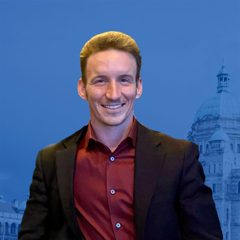
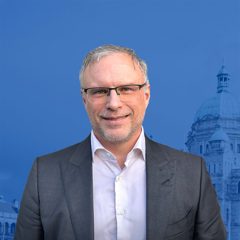
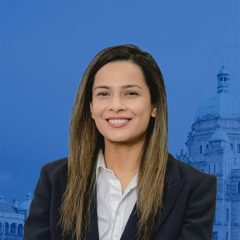
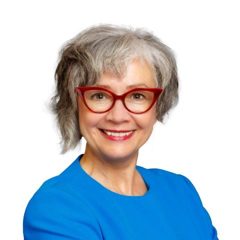
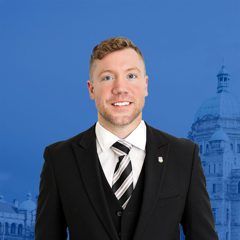
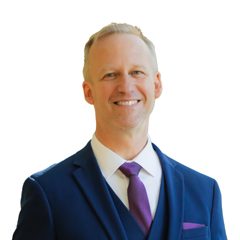
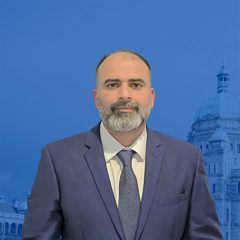
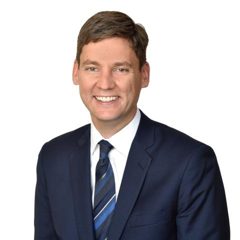
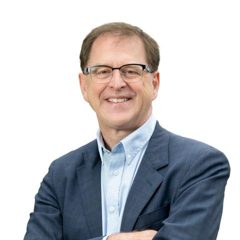
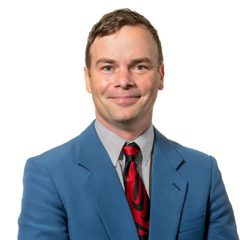
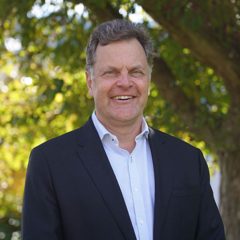
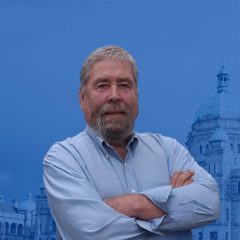
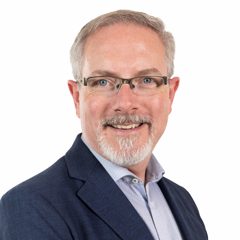
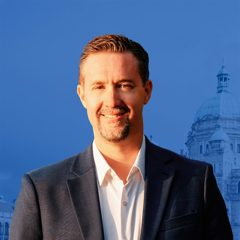
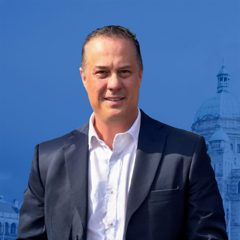
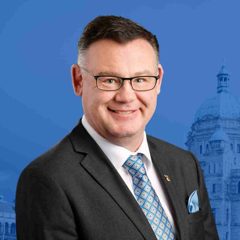
David Eby

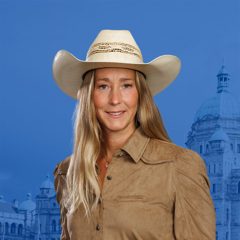
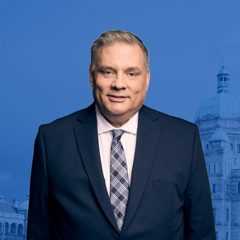
David Eby BC NDP

Premier since Nov 2022 · Vancouver-Point Grey

Said: affordability, more homes, safer communities, standing up for BC against outside pressure. bcndp.ca

Done: housing and short-term-rental rules, ended the consumer carbon tax (April 2025) and ended the drug-decriminalization pilot (early 2026); also record government deficits and rising debt, with credit-rating downgrades reported. Moved to amend the land-title (DRIPA) law after the 2025 Cowichan court ruling.

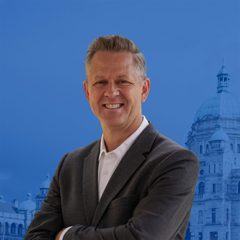
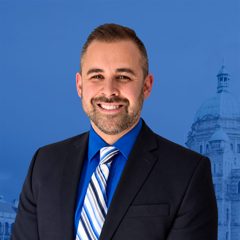
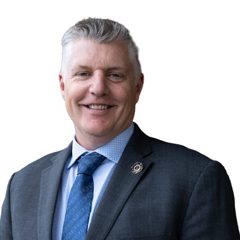
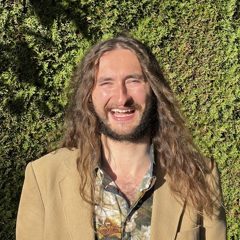
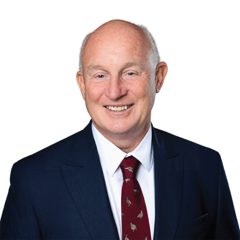
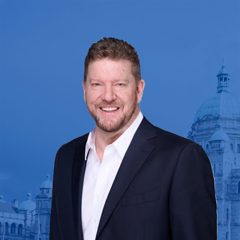
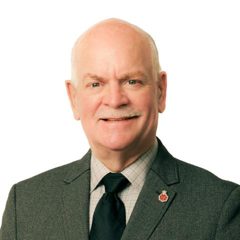
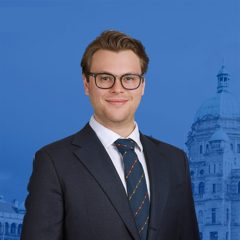
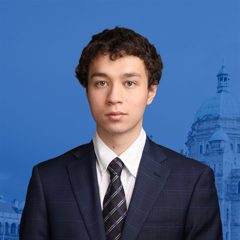
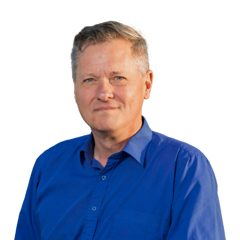
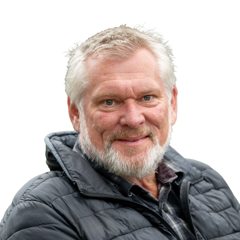
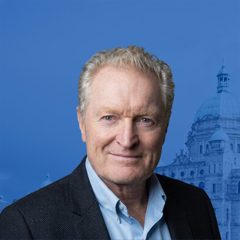
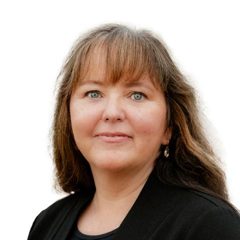
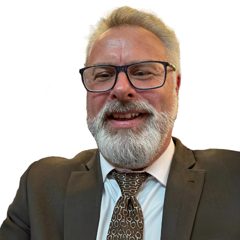
Lorne Doerkson

Lorne Doerkson BC Conservatives

Leader (named interim leader after Kerry-Lynne Findlay resigned) · Cariboo-Chilcotin

Said: lower taxes, scrap the carbon tax, balance the budget, tougher on crime and drugs, cut red tape. conservativebc.ca

Done: opposition MLA, first elected 2017 as a BC Liberal; BC United caucus chair, then crossed to the Conservatives in 2024. CTV. Has never governed.

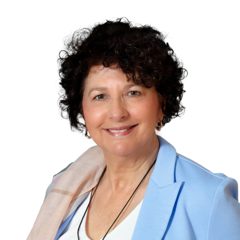
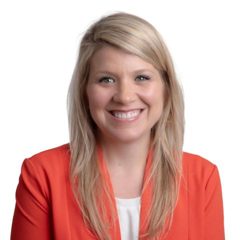
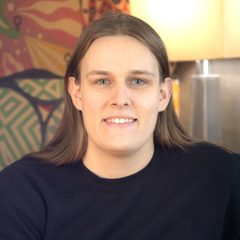
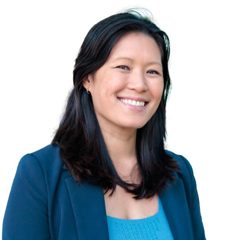
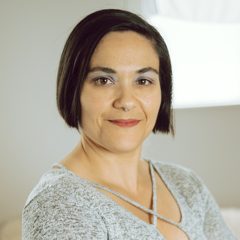
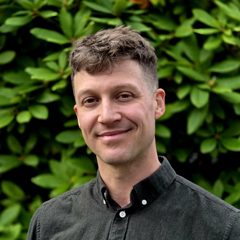
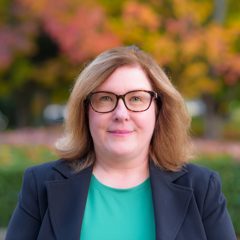
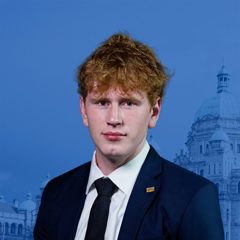
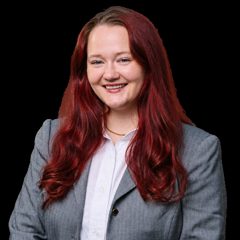
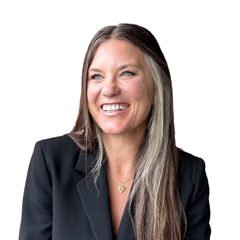
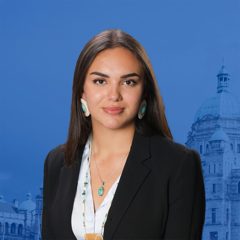
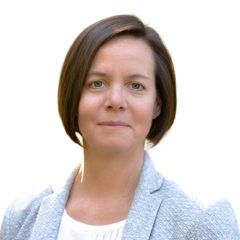
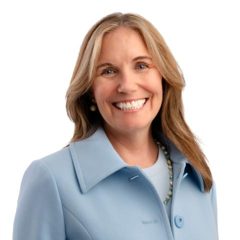
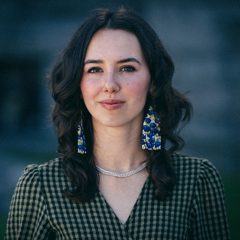
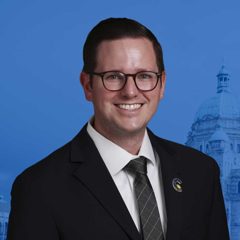
Emily Lowan

Emily Lowan BC Greens

Leader since the 2025 leadership vote · no seat in the legislature

Said: climate justice, affordability, Indigenous rights, make big corporations and the very rich pay more. bcgreens.ca · report

Done: climate organizer and policy strategist before leading the party. No legislative votes. The party's earlier record (a 2017–2020 deal that kept the NDP in power) was under a different leader.

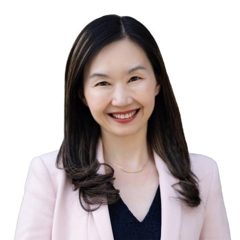
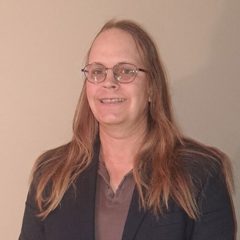
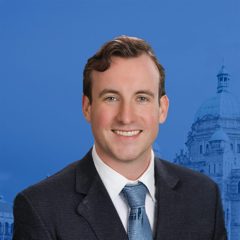
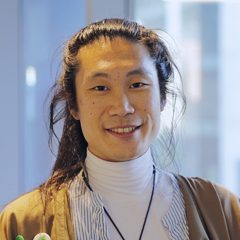
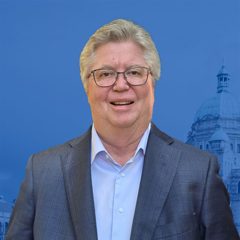
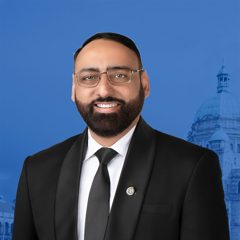
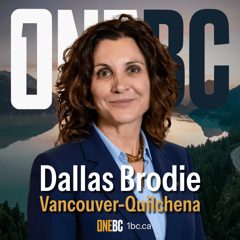
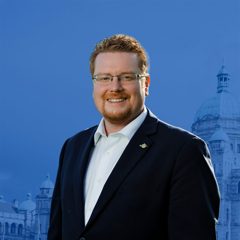
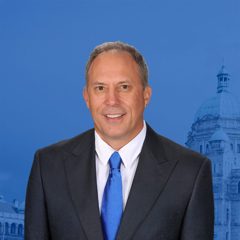
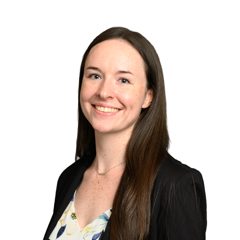
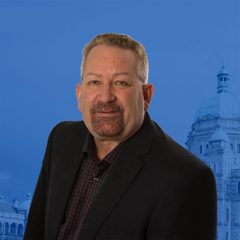
Dallas Brodie

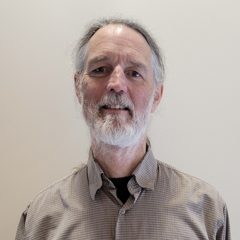
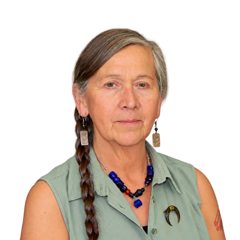
Dallas Brodie OneBC

Leader · MLA, Vancouver-Quilchena

Said: "excellence in British Columbia", a lawyer's view of equal rights under one law, scepticism of the land-title (DRIPA) approach. 1bc.ca

Done: elected in 2024 as a Conservative, removed from that caucus in March 2025 over comments about residential-school survivors, then founded OneBC. About one term as an opposition MLA.

Head to head on the Human Health Index

Scored on the Human Health Index: each of the 7 Systems of Society gets 0–10 (10 = fully alive, 0 = Living Dead), total out of 70. A number is given only where there is a governing record, so only David Eby is scored. For the others we show what their platform leans toward: ▲ leans toward a living system · ◆ mixed or unclear · — no score yet. Editorial first draft, low confidence.

SystemEby (NDP)Doerkson (Cons.)Lowan (Greens)Brodie (OneBC)
1. Human Capital skills, work, purpose5 / 10— ▲— ◆— ◆
2. Governments rights, limited power5 / 10— ◆— ◆— ▲
3. Religion compassion for the weak3 / 10— ▲— ◆— ▲
4. Health body, mind, real choice5 / 10— ◆— ▲— ◆
5. Energy affordable, reliable4 / 10— ▲— ◆— ▲
6. Money sound money, low debt3 / 10— ▲— ◆— ▲
7. Identity privacy, freedom5 / 10— ◆— ◆— ▲
Total out of 7030 / 70not yet ratednot yet ratednot yet rated

Why Eby scores what he does: Governments 5 (rights-based steps, but the contested land-title law, see the Charter score of 6); Money 3 (record deficits and rising debt, the Living Dead pattern); Energy 4 (cost-of-living and project-approval concerns against clean-power build-out); Religion 3 (compassion: homelessness, encampments and toxic-drug deaths remain high after years in office); Human Capital, Health and Identity 5 (some delivery, mixed results). Ron Cannan's and Tom Dyas's local scores are on the Kelowna page. Also see the US Real Numbers and the Austrian ↔ Keynesian view for the Money row.

The 7 forms of capital: said vs done

Each cell: Said / Done. ● clear and strong · ◐ partial or mixed · ○ little or none shown · — no record. Editorial first draft.

CapitalEbyDoerksonLowanBrodie
Spiritual stewardship, purpose◐ / ◐○ / —● / —○ / —
Cultural◐ / ◐◐ / —● / —◐ / —
Enterprise sound money, low debt◐ / ○● / —◐ / —● / —
Symbolic trust, honest words◐ / ◐◐ / —◐ / —○ / ○
Social community, belonging● / ◐◐ / —● / —○ / ○
Health body, nature, living ecosystems● / ◐◐ / —● / —○ / —
Emotional care, safety● / ◐◐ / —● / —○ / ○

Leaders in humanity vs leaders in the dead economy

Using the site's own Living ↔ Living Dead spectrum. Two questions: does the leader invest in human and living capital (the 7 capitals), and does the leader run an economy that borrows from the future (the Living Dead model)?

Leaning toward humanity

Emily Lowan speaks most clearly for Social, Health, Emotional and Spiritual capital (nature, people, fairness), but has no record yet, and her tax-and-spend economics lean Keynesian.

David Eby is the only leader who has actually delivered on several human capitals (housing, health, safety), though results are partial.

Leaning toward the Living Dead economy

David Eby's record is the clearest example here: record deficits and rising debt are the Keynesian pattern this site calls Living Dead. The counter-view: much of that borrowing paid for housing, health and recovery, which many voters value.

The Conservative and OneBC leaders say they would reverse this (balance the budget, cut tax), which is the Austrian side. With no governing record, that is a promise, not a result.

Honest limits: placements are our reading of public statements and records, not a vote recommendation. Doerkson's title is reported as interim leader by CTV and Castanet; his party's site lists him as leader. Sources: Elections BC, party sites linked above, CTV leader guide. If we got a fact wrong, tell us and we'll fix it.

Spotlight on every part of BC

Pick the region you live in, or type your town to find it. Every region now lists all of its candidates from the official Elections BC list (355 across all 93 districts). The Kelowna area has the most detail.

Thompson-Okanagan: all 41 candidates in 11 districts

Towns and cities: Kelowna, West Kelowna, Lake Country, Peachland, Vernon, Coldstream, Penticton, Summerland, Kamloops, Salmon Arm, Osoyoos, Merritt, Oliver.

Source: the official Elections BC candidate list dated October 12, 2026, checked against Kelowna Capital News and Lake Country Calendar. Nominations closed October 3. Backgrounds are only what was published; "no background published yet" is not a judgement. Editorial, not an endorsement.

Kelowna Centre

Downtown Kelowna, Glenmore · 3 candidates

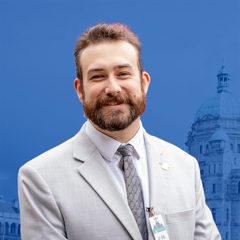
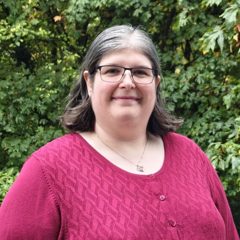
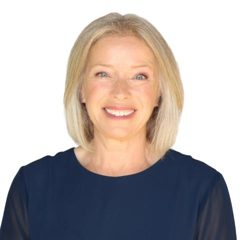
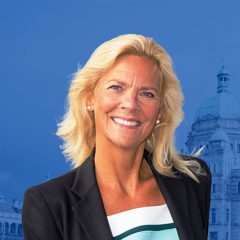
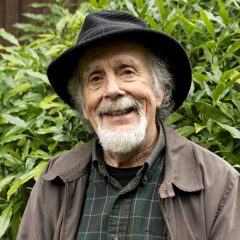
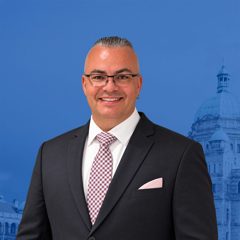
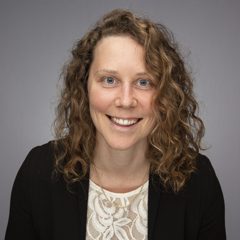
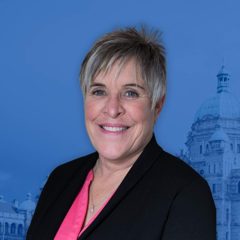
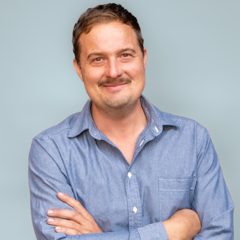
Portrait of Kristina Loewen

Kristina Loewen

BC Conservatives
Incumbent MLA, elected in 2024 by 40 votes.
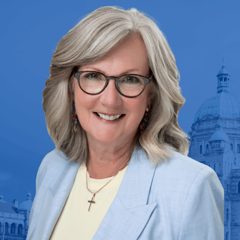
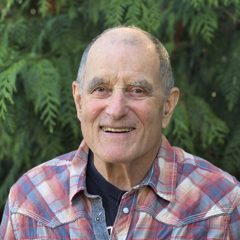
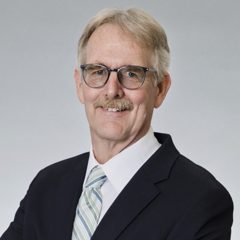
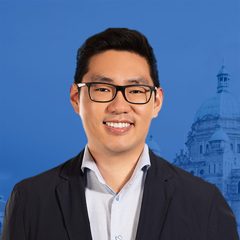
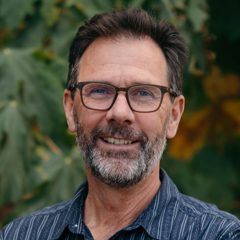
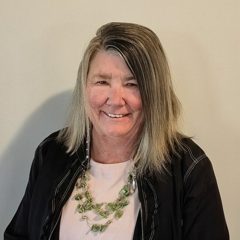
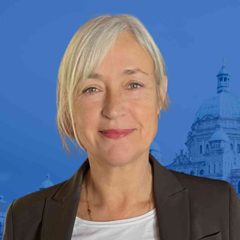
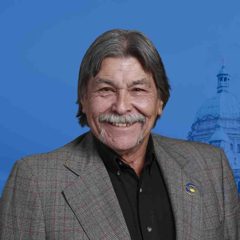
Portrait of Loyal Wooldridge

Loyal Wooldridge

BC NDP
Kelowna city councillor; was the 2024 runner-up.
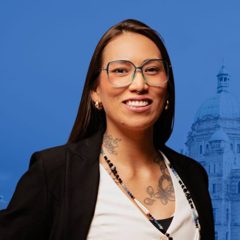
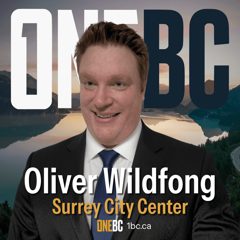
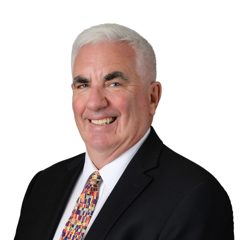
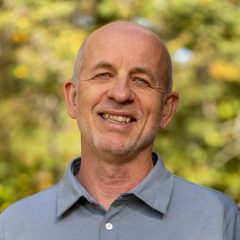
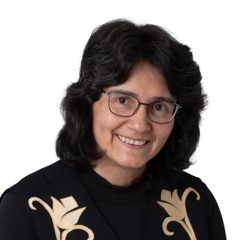
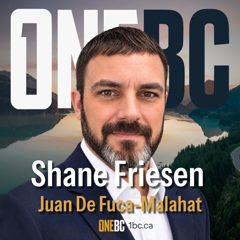
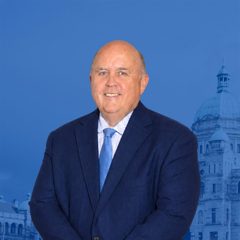
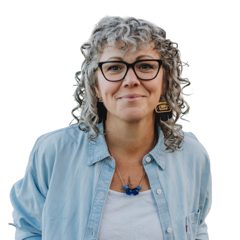
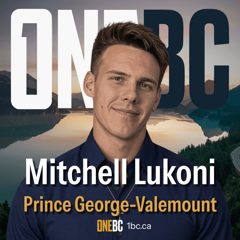
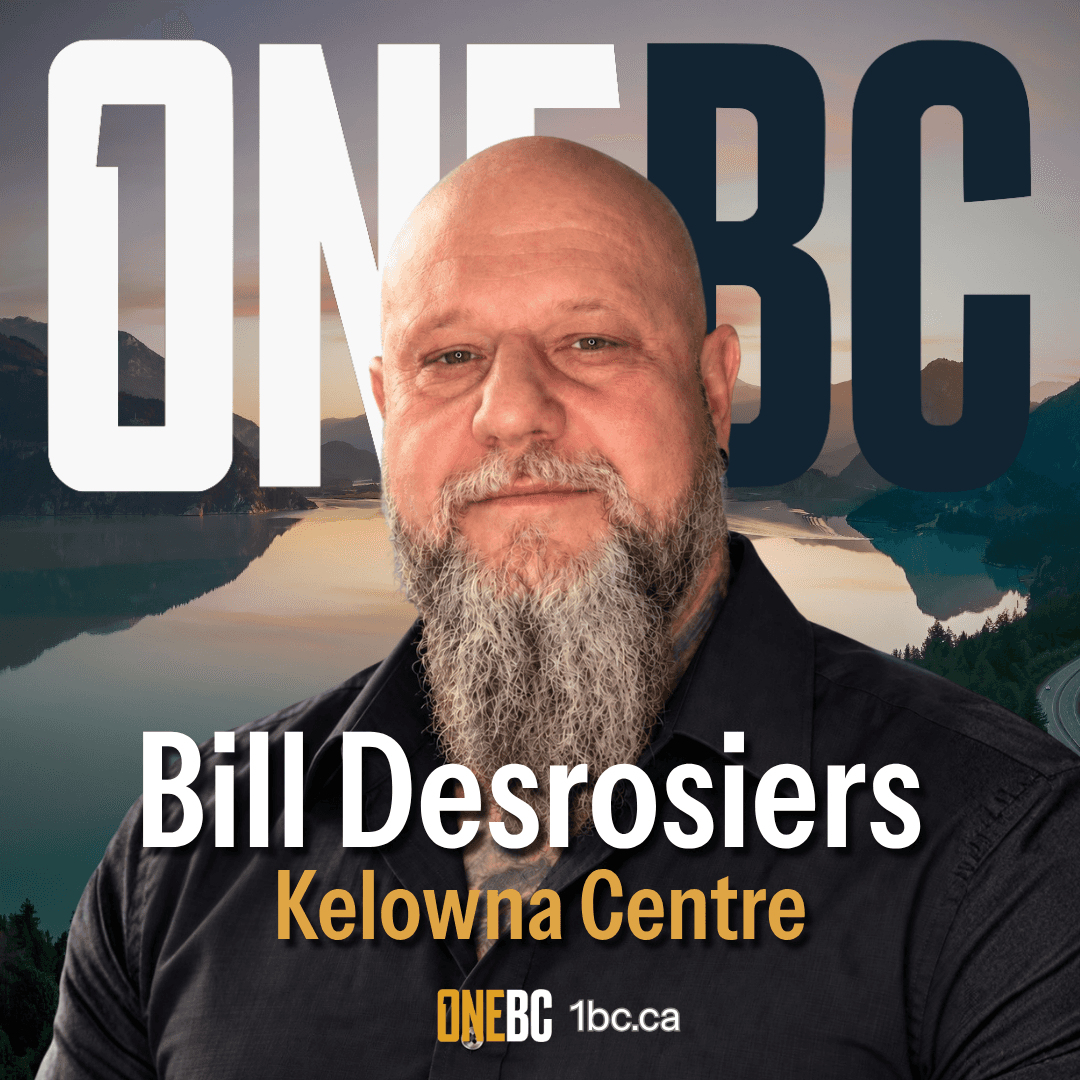
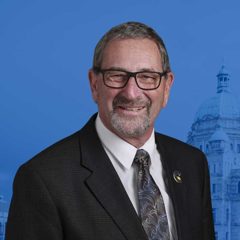
Portrait of Bill Desrosiers

Bill Desrosiers

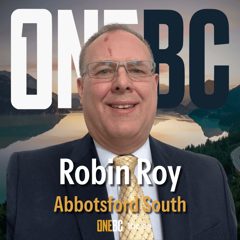
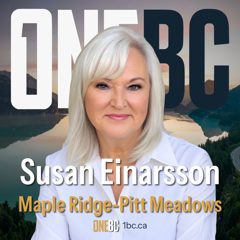
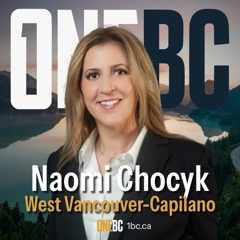
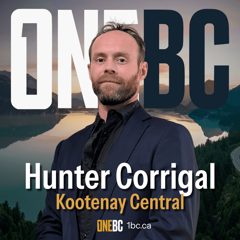
OneBC
No background published yet.

Kelowna-Mission

South and east Kelowna · 4 candidates

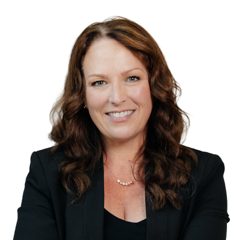
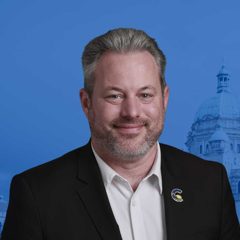
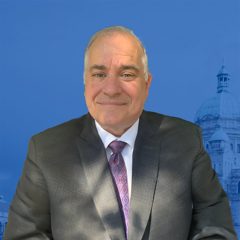
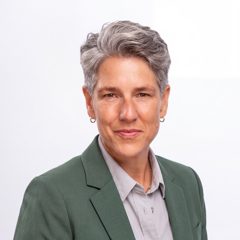
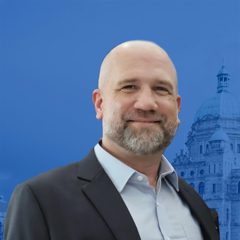
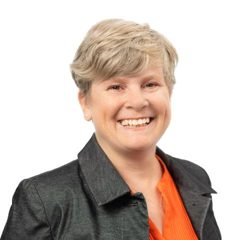
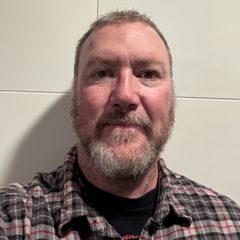
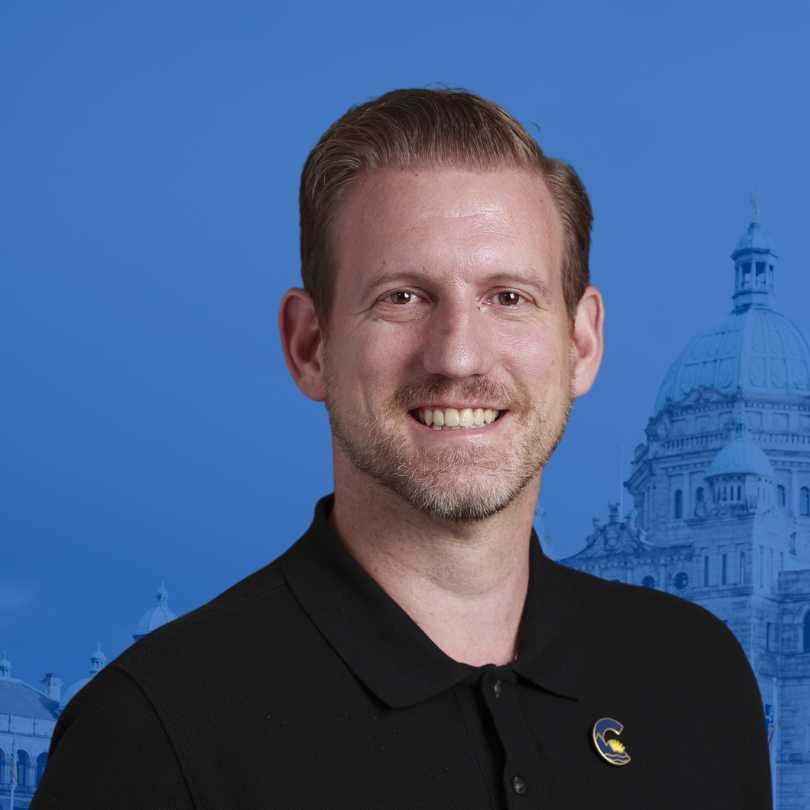
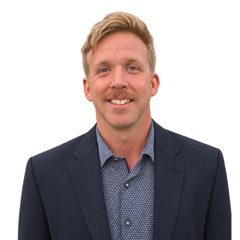
Portrait of Gavin Dew

Gavin Dew

BC Conservatives
Incumbent MLA, elected in 2024.

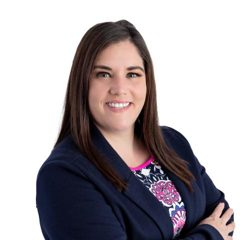
Miriam Rycroft

BC NDP
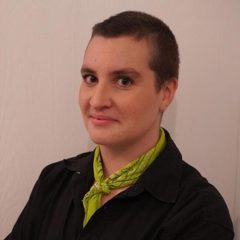
No background published yet.

Saoirse MacKinnon

BC Greens
No background published yet.
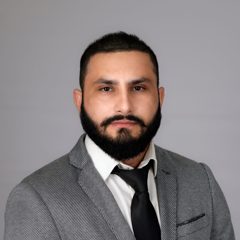
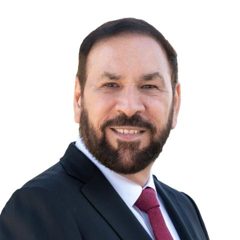
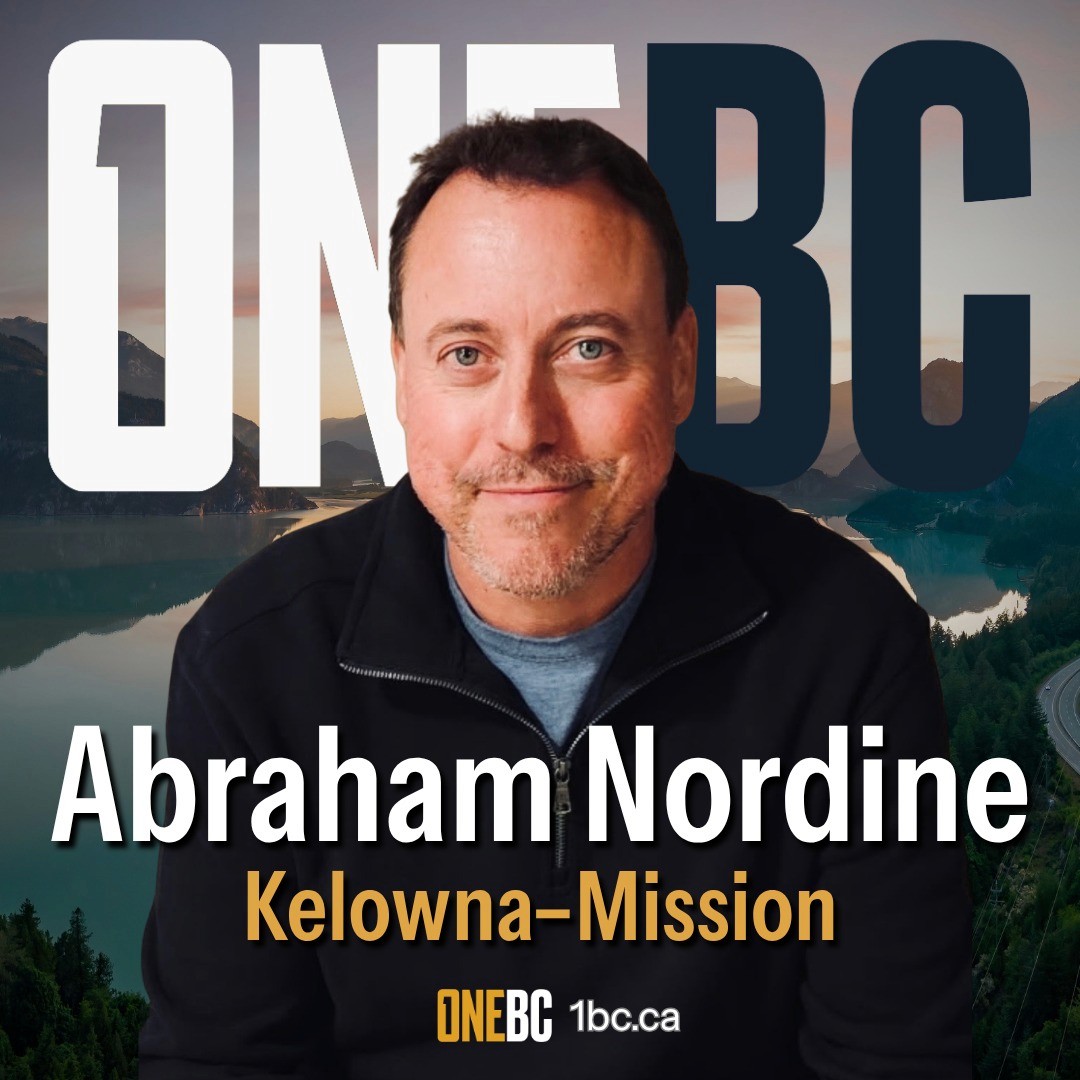
Portrait of Abraham Nordine

Abraham Nordine

OneBC
No background published yet.

Kelowna-Lake Country-Coldstream

Lake Country, north Kelowna, Coldstream · 4 candidates

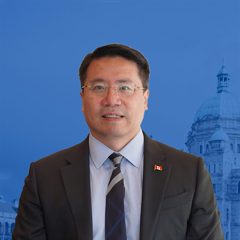
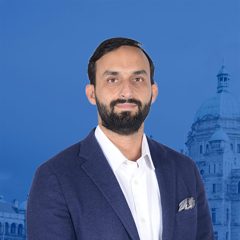
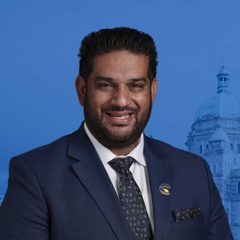
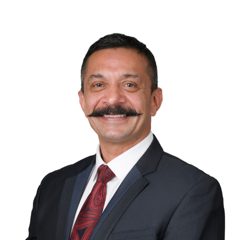
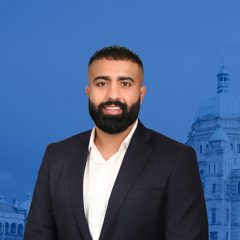
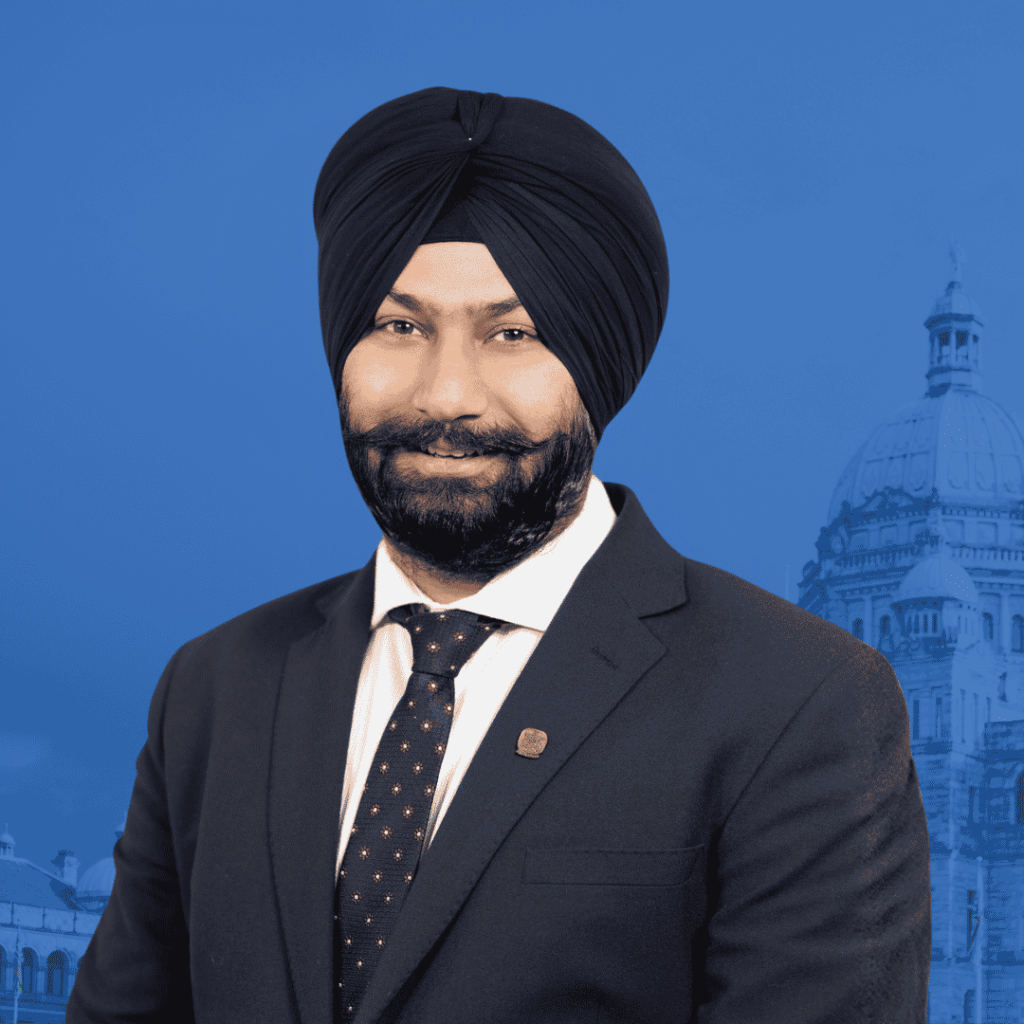
Portrait of Pavneet Singh

Pavneet Singh

BC Conservatives
No background published yet.

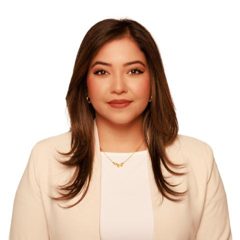
Binny Boparai

BC NDP
No background published yet.

Carter Mochinski

BC Greens
No background published yet.
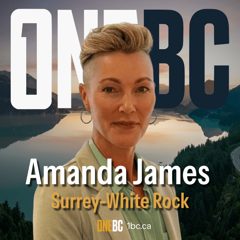
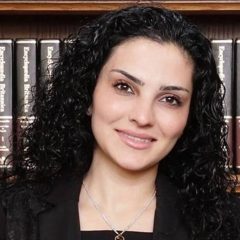
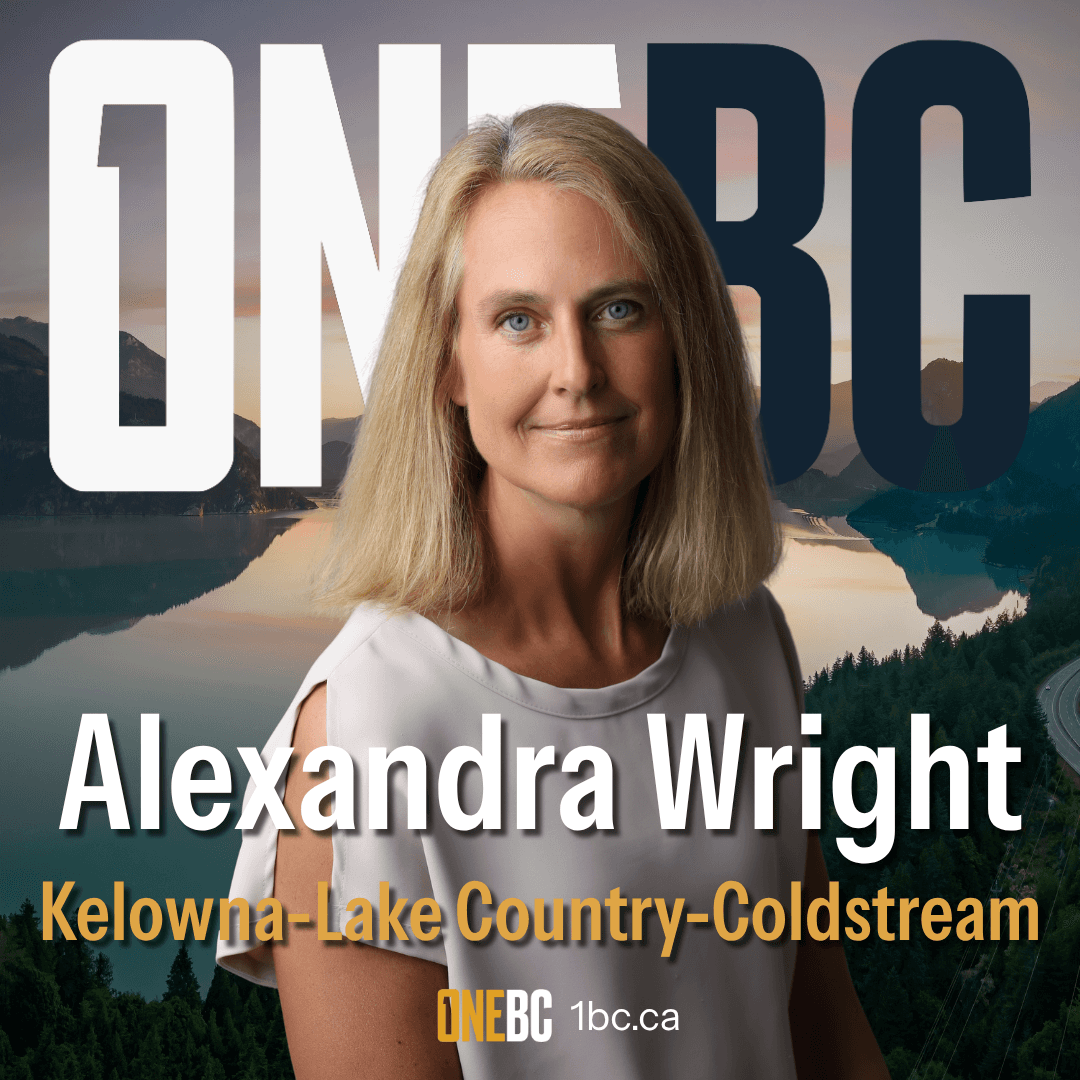
Portrait of Alexandra Wright

Alexandra Wright

OneBC
Kelowna lawyer. Won the Conservative nomination for Kelowna-Mission in 2024, was removed by that party in August 2024 and disputed the reasons; now with OneBC.

West Kelowna-Peachland

West Kelowna, Peachland · 3 candidates

Portrait of Macklin McCall

Macklin McCall

BC Conservatives
No background published yet.

George Morgan

BC NDP
No background published yet.

Adam Frank

BC Greens
No background published yet.

Rest of Thompson-Okanagan

27 more candidates in 7 districts (names and parties only for now).

Kamloops Centre

5 candidates · Elections BC list

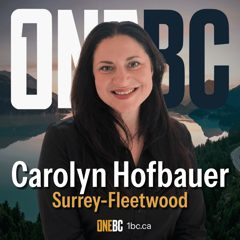
  • Annelise BeachAnnelise BeachBC Greens
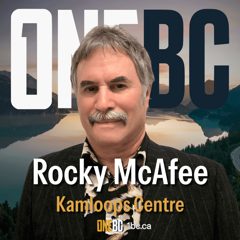
  • Rocky McAfeeRocky McAfeeOneBC
  • Peter MilobarPeter MilobarBC Conservatives
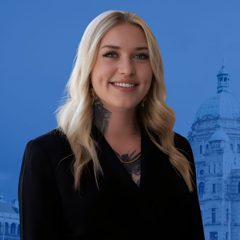
  • Thaelo ProctorIndependent
  • Mike WislaMike WislaBC NDP

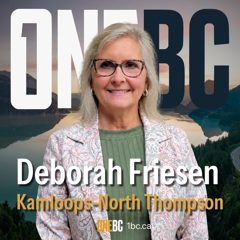
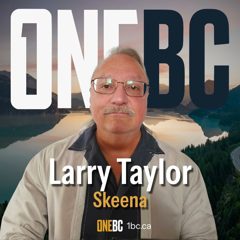
Kamloops-North Thompson

3 candidates · Elections BC list

  • Kory ClarkKory ClarkBC NDP
  • Deborah FriesenDeborah FriesenOneBC
  • Ward StamerWard StamerBC Conservatives
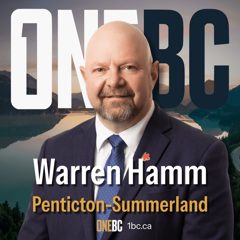
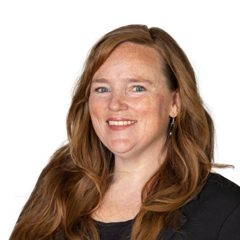
Penticton-Summerland

4 candidates · Elections BC list

  • Bradley Sean BartschBradley Sean BartschBC Greens
  • Warren HammWarren HammOneBC
  • Tina LeeTina LeeBC NDP
  • Tracy St ClaireTracy St ClaireBC Conservatives
Vernon-Lumby

4 candidates · Elections BC list

  • Kevin ActonKevin ActonBC Conservatives
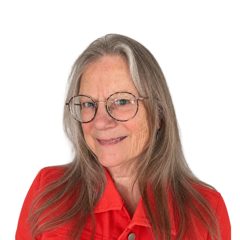
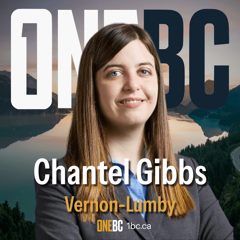
  • Chantel GibbsChantel GibbsOneBC
  • Harwinder SandhuHarwinder SandhuBC NDP
  • Blair VisscherBlair VisscherBC Greens

Salmon Arm-Shuswap

5 candidates · Elections BC list

  • Gloria MorganGloria MorganBC NDP
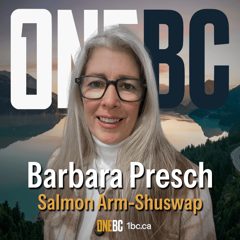
  • Barbara PreschBarbara PreschOneBC
  • Denise ReimerCentreBC
  • Jed WiebeJed WiebeBC Greens
  • David L WilliamsDavid L WilliamsBC Conservatives
Fraser-Nicola

3 candidates · Elections BC list

  • Jason LeboeJason LeboeBC NDP
  • Tony LuckTony LuckBC Conservatives
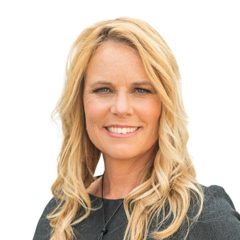
  • Patrick MichellPatrick MichellBC Greens

Boundary-Similkameen

3 candidates · Elections BC list

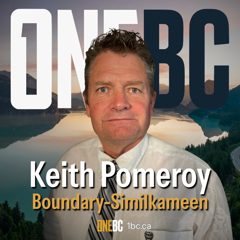
  • Keith PomeroyKeith PomeroyOneBC
  • Roly RussellRoly RussellBC NDP
  • Donegal WilsonDonegal WilsonBC Conservatives
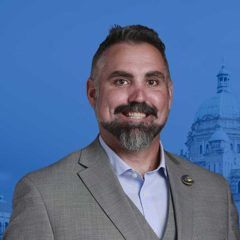
Compare the parties

Party positions come from the BC Ballot platform summary dated October 12, 2026 and campaign reporting. "Not found" means we could not find a clear published position, not that the party has none.

BC NDPBC ConservativesBC GreensOneBC
LeaderDavid EbyLorne DoerksonEmily LowanNot found
Candidates in the Kelowna area443 (none in Kelowna Centre)3 (none in West Kelowna-Peachland)
HousingRaise speculation and vacancy taxes (2% domestic, 5% foreign), a 2% unsold-condo tax, crack down on empty units"Bring down the cost of building and buying a home so more homes get built"Build 26,000 homes a year, vacancy control, reinstate the Community Housing Fund, end pet bansOpen new land, remove taxes that inflate prices, drop Step Code green rules, block municipal rent control
Health care1,000 more training seats, 8 MRI and 10 CT machines, triple the U.S. recruitment drive, 5,000 care workers in the public systemSpecifics not foundA community health centre in every district, end privatization, phase out private nursing agencies, safe nurse ratiosOverhaul the system to match "best practices worldwide"
Affordability and taxesAsk the wealthy to pay a bit more to fund servicesNot foundNot foundEliminate taxes that raise housing costs
Indigenous rights and environmentNot foundNot foundIndigenous-led complex care housing; health impact assessment of LNG and frackingNot found

Charter. On the Charter, 2024 Conservative platform promises of mandatory treatment for people with addictions raise liberty and security questions (s. 7) that the party's 2026 platform should be checked against. Until candidates publish records, every person is "not yet rated" rather than scored on a guess.

Check dates and your voting place at elections.bc.ca or the Where to Vote app. Final count is planned for November 6–10.

Last time: the 2024 results

There is no BC election right now. These are the 2024 winners and runners-up, with real vote counts. "Capital numbers" borrow Canada's scores from the Global Map to show which kinds of capital each party's main themes lean on. The Charter number is Canada's country-level score (see the Charter page). This is our editorial reading, not an endorsement.

Kelowna Centre

Downtown Kelowna, Glenmore
Elected 2024: Kristina Loewen (BC Conservative) — 11,033 votes, 42.8%.
Runner-up: Loyal Wooldridge (BC NDP) — 10,993 votes, 42.7%.
Why vote: The closest race in the region — decided by just 40 votes, so every vote counts. Conservatives lean on affordability and public safety.
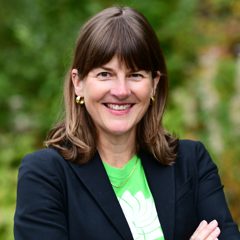
Enterprise 7/10Social 8/10Charter 6/10

Kelowna-Mission

South and east Kelowna
Elected 2024: Gavin Dew (BC Conservative) — 14,071 votes, 51.5%.
Runner-up: Harpreet Badohal (BC NDP) — 8,913 votes, 32.6%.
Why vote: A 5,158-vote margin. Conservatives lean on affordability and safer streets; the NDP on health care and public services.

Enterprise 7/10Social 8/10Charter 6/10

Kelowna-Lake Country-Coldstream

North Kelowna, Lake Country, Coldstream
Elected 2024: Tara Armstrong (BC Conservative) — 14,303 votes, 53.9%.
Runner-up: Anna Warwick Sears (BC NDP) — 9,350 votes, 35.2%.
Why vote: A 4,953-vote margin. Choose between the Conservative focus on cost of living and the NDP focus on health, housing and water.
Enterprise 7/10Health 7/10Social 8/10Charter 6/10

Follow the candidates
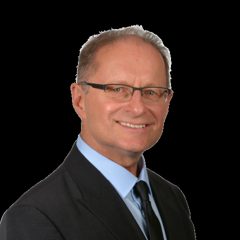
Portrait of Kristina Loewen

Kristina Loewen

Kelowna Centre · BC Conservative
Portrait of Loyal Wooldridge

Loyal Wooldridge

Kelowna Centre · BC NDP
Portrait of Gavin Dew

Gavin Dew

Kelowna-Mission · BC Conservative

Harpreet Badohal

Kelowna-Mission · BC NDP

Tara Armstrong

Kelowna-Lake Country-Coldstream · BC Conservative

Anna Warwick Sears
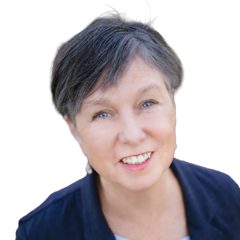
Kelowna-Lake Country-Coldstream · BC NDP

The social buttons open a search for each name, so you land on the right official profile rather than a guess.

How to vote in a BC election

  1. Check you can vote: Canadian citizen, 18+, a BC resident since April 23, 2026.
  2. Register or update at elections.bc.ca. The online deadline was October 1, but you can still register at the voting place.
  3. Find your district. BC has 93 districts; look yours up at elections.bc.ca. (In the Okanagan: Kelowna Centre, Kelowna-Mission, Kelowna-Lake Country-Coldstream and West Kelowna-Peachland.)
  4. Bring ID showing your name and home address. You can vote on October 24, at advance voting (October 16–21), or by mail (request by October 18).